In the ideal, it is expected that Shs 100m under the Parish Development Model (PDM) will be disbursed to a bank account managed by each of the 10,000-plus Parish Development Committees (PDCs) at the beginning of the 2022/2023 financial year.
Thereafter, the PDCs will channel the funds to various households to kick-start or fast-track development projects in the hope that this will transform households from a subsistence life into the money economy.
On the surface, this is a golden opportunity to pull people from poverty to commercial success but the devil is in the detail and the earlier looming shortfalls are addressed, the better.
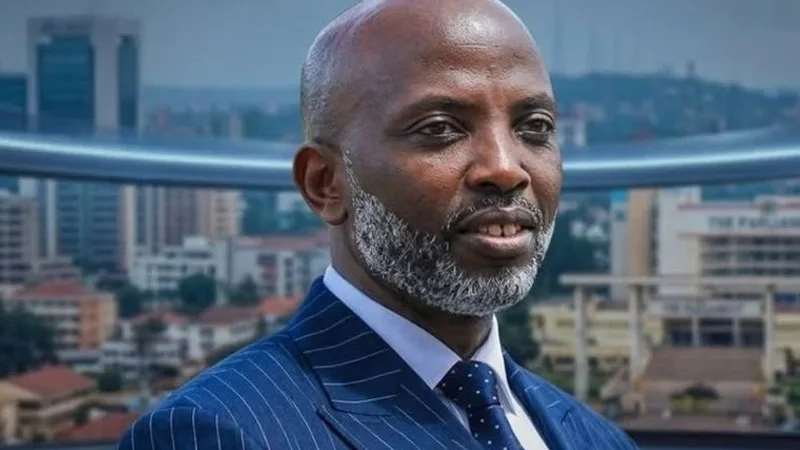
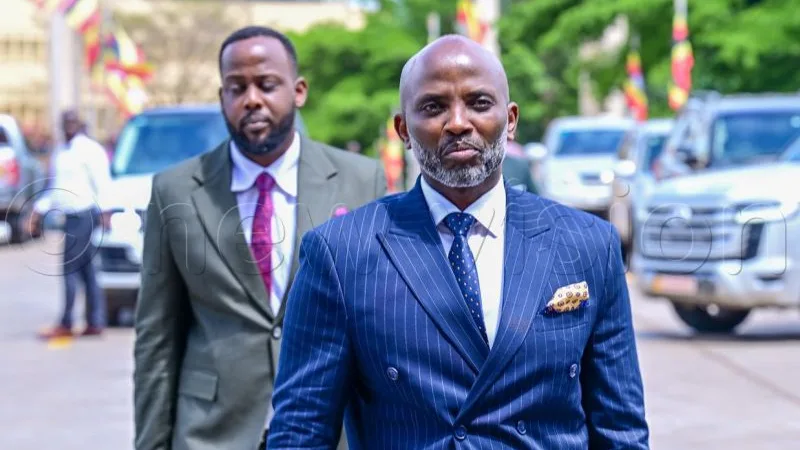
The first existential threat to PDM is the competence of those in charge of funds and the capacity to follow up. For years, I have known Dennis Galabuzi, the brains behind PDM, as a shrewd businessman who has honed the careers of hundreds of youths through his projects in engineering and business. When he talks about his PDM vision, he leaves no doubt that Uganda is headed for the middle class.
However, much as the PDM top brass is solid, there are still glaring gaps when it comes to development of human capital, especially at the bottom-line implementation level.
For instance, how qualified is a PDC to identify opportunities, follow up on beneficiaries and also account for the funds? Also, how ready is the public to understand this as a revolving fund and not just manna that has just fallen from government?
Granted, the PDM secretariat has done a tremendous job to train and sensitize PDCs ahead of the new funds rollout but it takes a comprehensive approach to achieve competence from the people supposed to manage the funds. Otherwise we should brace ourselves for scandal after scandal as PDCs give funds to friends and relatives at the expense of deserving beneficiaries. That’s why there was need to create a technical wing for Kampala to manage the billions of shillings it gets annually and not leave it in the hands of politicians. Unfortunately, PDM cannot afford to create an office of a CEO to manage just Shs 100m for a parish. That would be a big financial burden.
I also believe the PDM’s success will greatly depend on tapping into the already existing efforts by NGOs, Community Based Organizations (CBOs) and Faith-Based Organizations (FBOs) which have done tremendous work to lift people from poverty. Their foundation and experience spans decades and, therefore, the PDM should not be seen to duplicate or rival them but to supplement their efforts.
Meanwhile, whereas the PDM could be the bottom-to-top magic bullet that effectively propels people to middle-income status, it needed to be piloted to provide a benchmark of expectations since parishes are of different sizes and populations.
Also, when government created the National Food and Agricultural Statistical System (NFASS), the intention was to set up a consistent, reliable, accurate and timely data to inform decision-making at the grassroots level of farming. Since the PDM is mostly centred around agriculture, such statistics come in handy to provide proper decision-making regarding a particular parish.
Shs 100m may not be enough to reach every household but it can be invested in a service that benefits the whole parish. Such services include the provision of quality seeds for all farmers in a parish, having farm tractor services to plough all the arable land in the parish or even to create a factory that can benefit all.
On a daring note, I recently heard Fisheries state minister Hellen Adoa calling for the identification of top businesspersons in every parish to build on their capacity to pull others from poverty. This approach did wonders in China and South Korea and I don’t think it would be farfetched to try it out in Uganda.