In 2014 when I took over the reins as SC Villa supremo, I inherited a team without a technical structure.
Most of the decisions were based on loyalty and closeness to the powers. Players would call me in the wee hours just to complain about a member of the coaching staff.
I made some changes in personnel to allow systems to work, but little changed. That’s when I brought in Spanish Antonio Flores to act as coach. Granted, his track record was underwhelming but I knew he would bring the much-needed clout and provide everyone with an opportunity to shine.
Within no time, players who took it for granted found themselves on the bench. The bickering reduced and all of a sudden, everyone was focussed on their job. So, even though the results on the pitch weren’t that impressive, the Spaniard instilled the much-needed discipline in the team simply because he had no affiliation to anyone in the technical team.
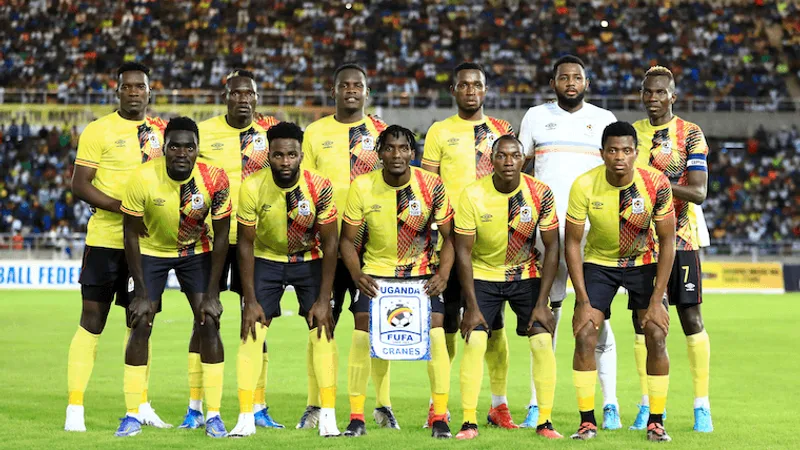
I’m sure Fufa officials applied the same ideology in hiring Johnathan McKinstry to coach the national team because he had nothing to talk of in terms of pedigree and had just been shown the exit by Rwanda. In other words, he was the only available choice that could create a sense of professionalism in the team full of egos.
In the few matches McKinstry oversaw for The Cranes, there was nothing to suggest he had the coaching IQ of his predecessors but there was little to blame him for because he inherited a team on a huge generational gap. A top Fufa official told me McKinstry’s biggest undoing was failure to assert himself as the person accountable for team selection and results.
He was powerless to stop officials in the Fufa executive and the technical team from selecting players until it reached a time when those individuals started clashing. Fearing a major backlash, it became easy for them to dispense of McKinstry. Now that he is gone, a lot of talk has centred on giving local coaches a chance.
It is true we have some of the best coaching brains in the region but I still maintain that nearly all local coaches are not ready to handle the national team. Perhaps the only exception is Mike Mutebi, whose presumed arrogance bodes well when working with big egos.
Tom Lwanga, given his achievements on the pitch, vast experience and clean track record, would be the ideal technical director. Otherwise, Ahmed ‘Midi’ Juma, the current technical chairman, cannot guide Mutebi unless the latter takes on the job of managing the former.
This is not to disregard interim coach Abdallah Mubiru, but he already seems compromised by the dreaded system that ensures a coach performs under the whims of Fufa. In fact, 98% of our local coaches would be very happy by carrying the bag of Fufa president, Moses Magogo, than coaching the national team.
The thing is, our local coaches pale in comparison to senior players when it comes to financial muscle. Put simply, local coaches have the tactical nous but lack the required respect from players. Besides, local coaches cannot really add much to a player’s career as far as creating opportunities at club level.
Csaba Laszlo took with him David Obua to Hearts in Scotland; Bobby Williamson created many inroads for Ugandan players when he was in Kenya. As for Milutin ‘Micho’ Sredojevic, he has opened dozens of gates for Ugandans across the continent.
Even Sebastien Desabre wooed Abdu Lumala to Egypt. The question is; do Ugandan coaches stand a chance to be trusted with top clubs on the continent?
The answer is a flat No! That’s why I believe they are better off handling junior players who see them as saviours but don’t expect a player who owns a good house, drives a German car and has invested enough to live comfortable to follow orders of a coach looking for the next meal.