Listen to me, you developers, you estate agents, you engineers, you architects.
Before I tell you about the world, let me tell you about my blood.
My Jjajja Muguluma went to Europe in 1927. 99 years ago! No plane. No visa lottery. No online booking. He went by road, by railway, and by ship. From Kifuuta to Mombasa to Suez to Marseille to London. One year! Six months going, six months coming back. One full year to see the world and return to tell his people.
When I was a boy, I sat at his feet and heard those stories, and I said, "Jjajja, if you could go in 1927 without a plane, what about me?" That is why I decided to have fun traveling. Not for Facebook. Not for show. For knowledge.
Today, by myself, I have made it to over 56 countries. Not with a tour group. By myself. With my own eyes. My own feet.
And I know when I meet him in the next world, my Jjajja Muguluma will be happy. I will tell him, "Jjajja, in 1988, I went to Munich. I sat in the stadium and watched the European Cup Final — Netherlands vs Russia. Gullit, Rijkaard and Van Basten." He went for a year to learn. I went to learn too.
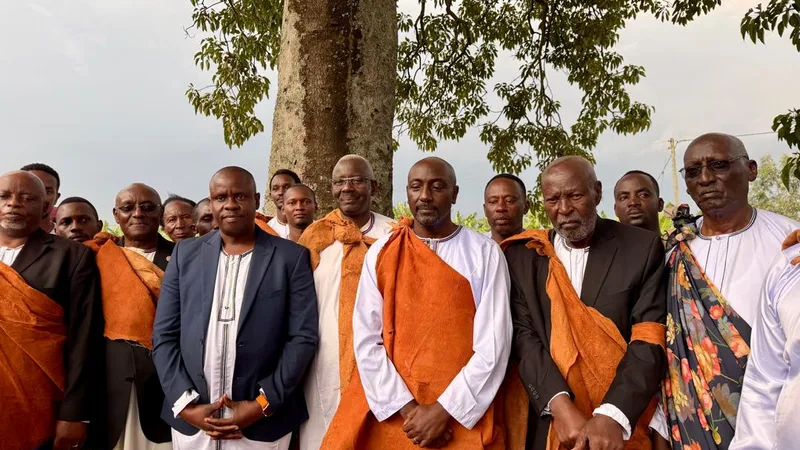
So this is not from books. This is not from Google. This is what the Oracles of Kifuuta saw with his own eyes when he walked the world — 56 countries of walking, like his grandfather before him.
You are building a country without a face.
I did not travel as a tourist who takes selfies. I travelled as an Oracle, as a student of cities. And every great city I entered, it spoke to me before any man opened his mouth. It told me who it was.
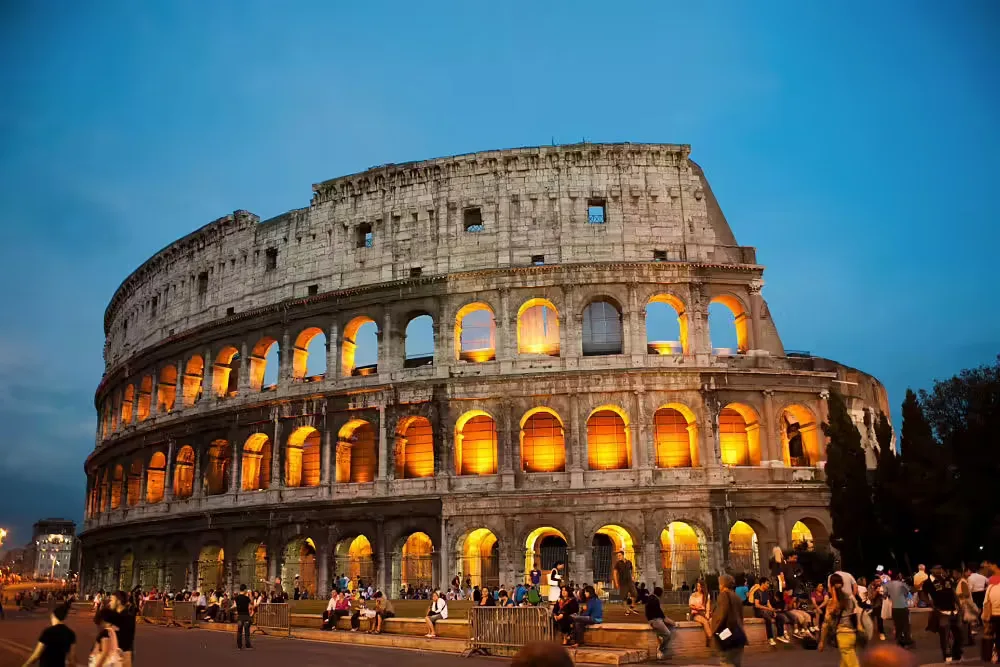
WHAT I SAW IN ROME — THE CITY THAT REMEMBERS ITSELF
When I visited Sofia, Lisbon, Nice, Monte Carlo, Vatican, Rome — I did not need a sign to tell me where I was. Rome was Rome!
The arch, the dome, the column, the ring road that circles like a belt around the ancient heart. Every stone whispered, "We are Romans." The roads themselves are history. They make rings — Ring One, Ring Two — like growth rings of a very old tree. Order. Identity.
I stood in St. Peter's Basilica in the Vatican. Ohhh, my people! I doubt, in this whole world, if there is a building as beautiful as it is. And the Oracles asked, "Where did they get this marble?"
They told me: All the marble — that shining, holy, white and red marble — is from within Italy. From their own mountains. From their own soil. They did not import their beauty. They dug their beauty from their own land.
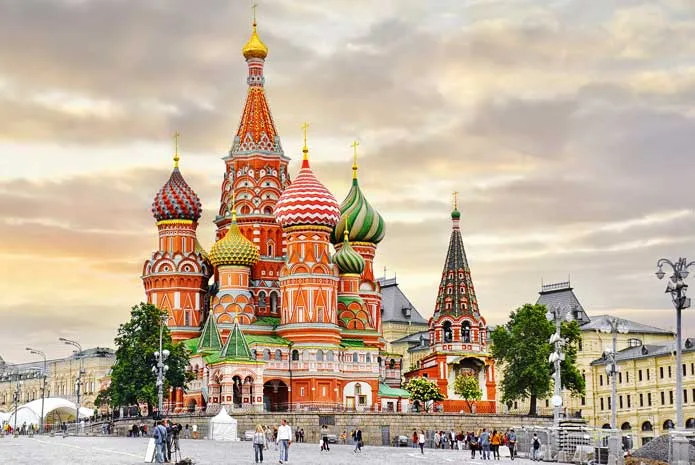
WHAT I SAW IN MOSCOW AND THE EAST — THE CITY THAT BELIEVES IN SOMETHING
Then the Oracles went to Moscow, Poland, Latvia — there too, the city spoke. The structures were bold, heavy, monumental — the soul of Soviet design. You live in the Lord of the Rings, but you cannot confuse it. It has ideology in its concrete. It says, "We were an empire; we believed in the collective." A building in Moscow tells you the story of Russia. What story does your building on Kampala Road tell?
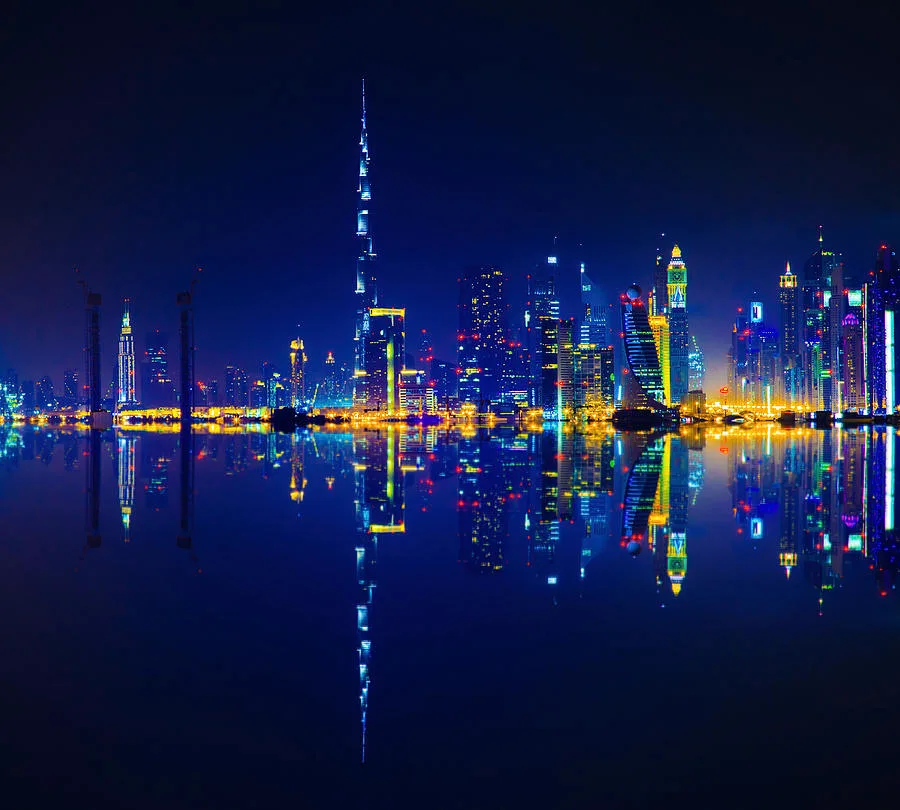
WHAT I SAW IN THE DESERT CITIES — THE CITY THAT STILL PRAYS
When I landed in Istanbul, Dubai, Abu Dhabi, Yemen, Qatar — oh! There, the sky itself becomes architecture. The dome is the moon. The minaret is a star pointing to heaven. Every new glass tower still bows to that crescent. They have futurism, but their futurism has a root. You see a building in Doha and you know it is Arab, Islamic, desert-modern. Not imported confusion. They went to the future with their culture in their pocket.
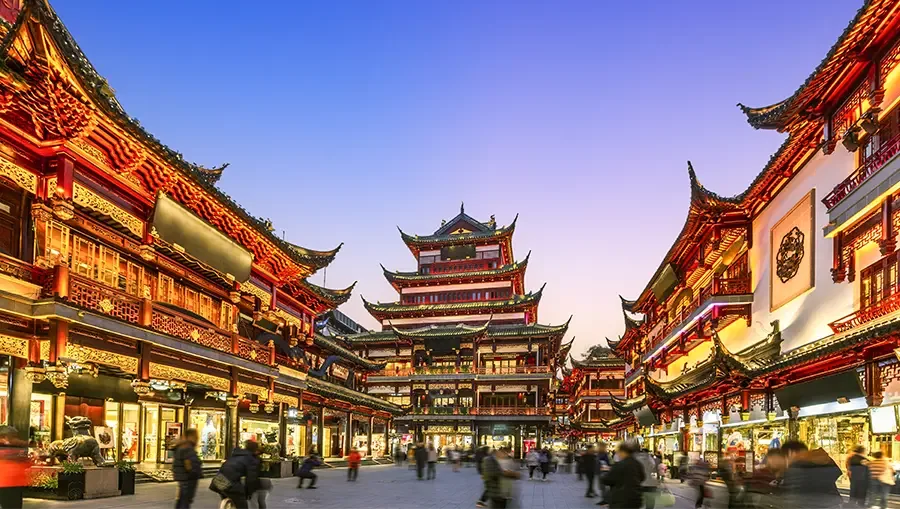
WHAT I SAW IN THE FAR EAST — THE CITY THAT NEVER FORGETS THE DRAGON
When you are in China, in the Far East — in Beijing, Shanghai, Tokyo, Seoul — you don't need to be told where you are. You see the dragon in everything!
The roof curls like a dragon's tail. The corners lift like a dragon rising to the sky. The gates have the dragon's teeth. Even their modern glass skyscrapers still carry the dragon on their back. Their ancestors said, "The dragon protects us," and a thousand years later, the architect still obeys. They never abandoned their dragon for a box.
Tell me, where is OUR dragon? Where is our leopard? Where is our crested crane in our buildings? We have erased ourselves.
WHAT I SAW IN THE WHITE MAN'S LAND AND THE COLONIES — THE CITY THAT HONOURS ITS FATHER
Ottawa, Toronto, Washington, DC, Florida — they did not deny their father. Their architecture is influenced by the British, the Irish, and Roman engineering. A courthouse in Washington looks like a temple in Rome because they chose a lineage. They chose who they wanted to be. They said, "We are children of Rome and Britain."
And look — even those who were colonized chose a face!
Morocco, Rabat — walk there and you see Spanish architecture kissing Moorish architecture. The arch, the tile, the courtyard. Spain left, but the beauty stayed. They kept it.
Mexico and Brazil — their Spanish and Portuguese structures influenced everything! The cathedral, the plaza, the colours, the terracotta roof. You stand in Mexico City and you know Hernán Cortés was there, but they made it Mexican. You stand in Rio and you know Portugal was there, but they made it Brazilian.
Who are your children, Kampala? Who is your father? Who is your dragon?
WHAT I SAW IN DAR ES SALAAM AND JINJA — CITIES THAT ONCE KNEW THEMSELVES
Dar es Salaam understood this. Walk Kariakoo. The flat roofs, the white-washed walls, the carved doors — the Sultan style. The coast remembers it is the coast. The Arab, the Swahili, the Indian Ocean live in its buildings.
Jinja once understood this. Go to Magwa Crescent. Go to Nizam Road. Muvule Lane. Those buildings were not boxes. They were a duplicate of the Arabic style — the arcade, the balcony, the shade. Jinja had a language. It had a face. Jinja knew who she was.
But you, Kampala... what are you? The Oracles ask.
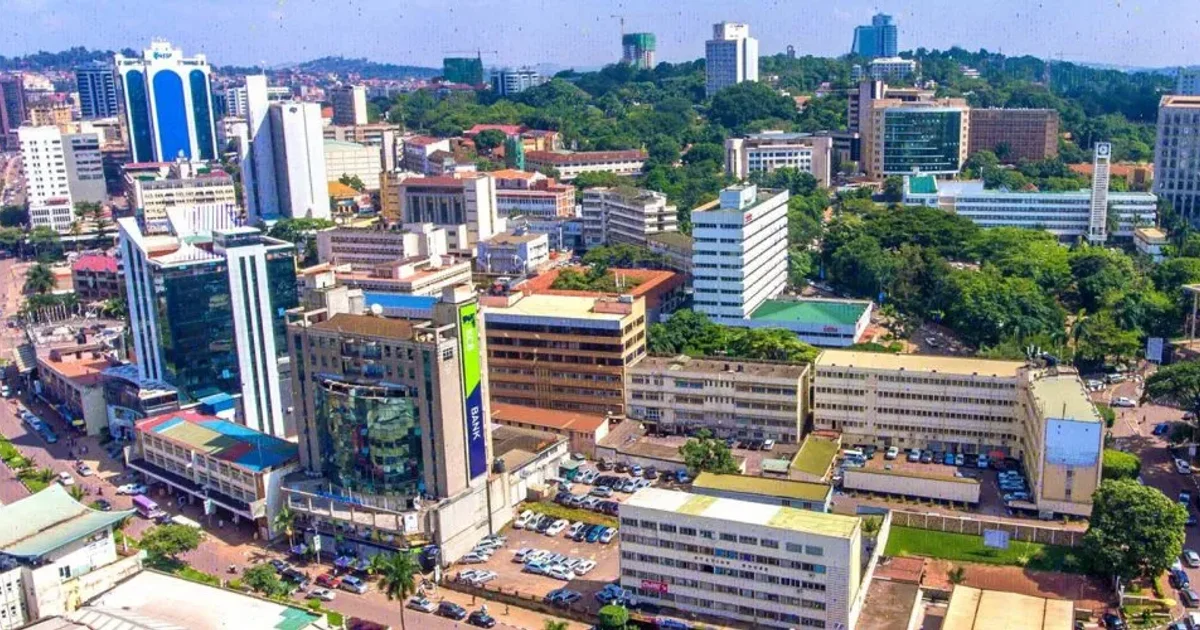
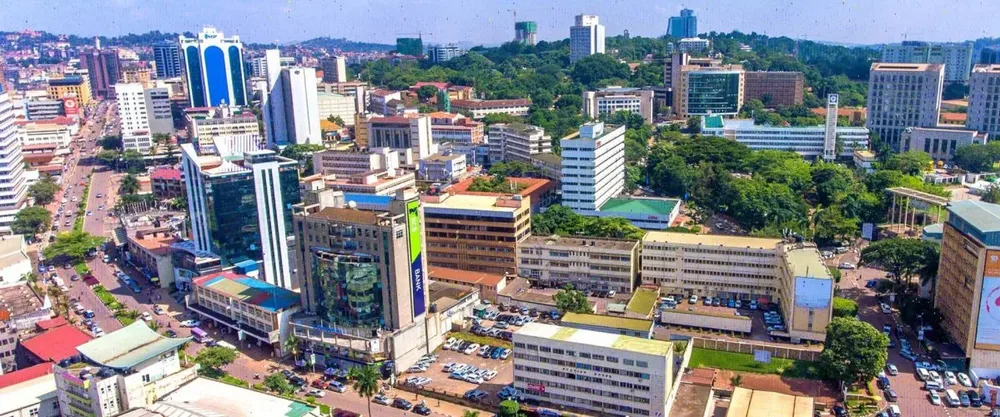
You are boxes.
Boxes stacked on boxes. Glass boxes, concrete boxes, iron sheet boxes. We call it kukekereza — we just add a room here, a shop there, a floor there, with no plan, no soul, no lineage. No city in the world will ever put you on a postcard.
THE SHAME OF MOROTO — AND THE LESSON OF WINDHOEK
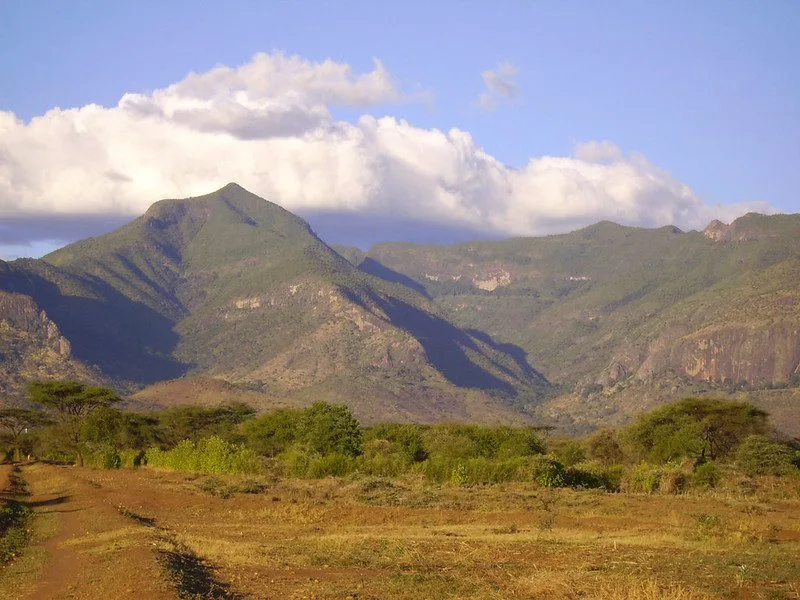
Now come back to Uganda. God gave us Moroto — a mountain of marble. Black marble, white marble, green marble, marble with colours like a sunset. Stones that kings would fight for.
What do we do? We build Entebbe International Airport, the gateway for the whole world to see Uganda, and we import third-grade tiles from the Far East! We ignore Moroto! We import what others throw away, and we bury our own gold!
And now hear this — even our Parliament, which is being extended, should have marble from Karamoja, Moroto! Where is the law that says the House of the People must be built from the soil of the People? When an MP walks into Parliament, his feet should touch Karamoja. His hands should touch Kasese. The seat of our democracy should be our geology! If the Vatican can build St. Peter's with Italian marble, why is the Parliament of Uganda being extended with imported tiles while Moroto weeps with unused marble?
Listen, if I had the authority like the one I had in Windhoek, Namibia, I would never have allowed this! I swear, never! Our airport would not be importing Grade 3 tiles while our unfiltered, pure, powerful Moroto marble is rotting in Karamoja!
Go and visit Eros Airport — Otjomuise, in Windhoek. Go and touch the floor! All the marble, all the stone, is from Western Namibia! From Karibib! From their own desert! They said, "When a visitor lands, let him land on Namibia."
Namibia, a small country with a small desert, is proud of its own stone. Uganda, with a mountain of the best marble in the world, is ashamed of its own stone! What a curse!
In Vatican, they use their own marble. In China, they use their own dragon. In Windhoek, they use their own Namibian marble. In Uganda, we are ashamed of our own marble!
This is not poverty. This is a lack of vision. This is self-colonization.
And then, on the Northern Bypass, over Nalya flyover, ONE developer is building something beautiful. One building! With curves, with thought, with beauty! If that building was on Kampala Road, that would be our trademark. That would be the building we put on our currency. But we hide beauty on the bypass.
OUR LONG-HORN IDEOLOGY AND THE VOLCANO STONE OF KISORO
And the Oracles say: Let our structures have the Long-Horn type of architectural ideology!
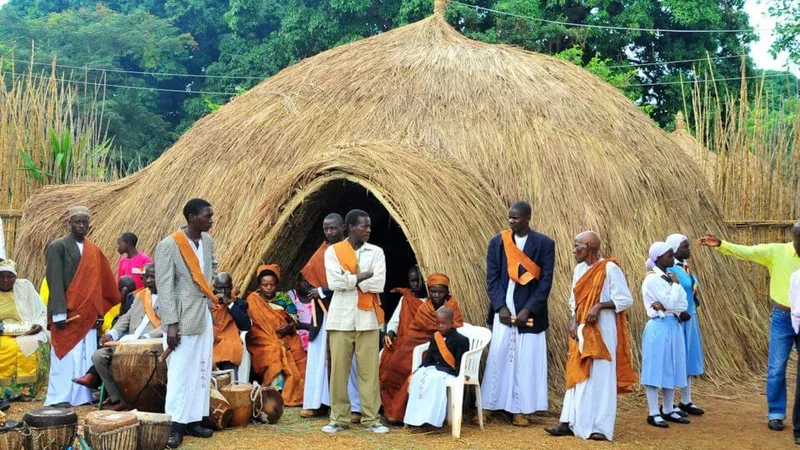
The Ankole long-horn — Enganda — is our dragon! Look at its horn! It curves to the sky with dignity, with power, with pride. It is not a box. It is a crescent of strength. Why can't our Parliament arch curve like the Ankole horn? Why can't our museum roof rise like two horns greeting the sky? Go there now after renovation; it's like a modern cemetery. Why can't our stadium be the Kraal? China kept its dragon. We must keep our Long-Horn. That is our ideology. That is our signature in concrete.
And to you who call yourselves rich, on Kampala Road, building boxes with big money — STOP! You have money, but you have no face. You take 10 million dollars and you build a glass box that could be in Nairobi, could be in Dubai, could be anywhere. You are rich in pocket but poor in identity. A box is not wealth. A box is laziness. If you have big money, build big beauty. Give us a building that makes a child say, "That is Ugandan!"
For God has also given us Kisoro — the volcano stones! Black, grey, rough, ancient stones born from fire! Oh, international architects are hungry for such texture! In Bali, in Japan, architects fly across the world to find volcanic stone. We have mountains of it in Kisoro! Imagine Kampala Road facades clad in Kisoro volcanic stone with Moroto marble lines. Imagine walls that tell the story of volcano and savanna. That would cause excitement among international architects! They would come to Kampala to study, not to pity.
We have Moroto marble. We have Kisoro volcanic stone. We have Kasese limestone. We have Busoga clay. We have Mbale bamboo. And we import boxes!
SO HEAR THE DIRECTION FROM THE ORACLES OF KIFUUTA — THE GRANDSON OF MUGULUMA WHO TOOK ONE YEAR TO SEE THE WORLD:
TO THE ARCHITECTS: Find Our Dragon. Give Uganda a Signature.
China found its dragon. We must find ours — our Long-Horn! We need a National Architectural Code. Not to copy Rome, but to give birth to Uganda. Let us agree: What is a Ugandan arch? Is it the Ankole kraal? Is it the curve of the long-horn? Is it Ensimbi Enganda? Is it the Acholi hut curve? What is a Ugandan roof? Can we mandate the use of our own stone — Moroto marble, Kasese limestone, Kisoro volcanic rock, local clay brick — for at least 40% of any facade on a main road? Let every new building on Nakasero, on Kololo, answer: "I am Ugandan." This is what I saw in Rome — they used their own stone. In Beijing — they used their own dragon. In Windhoek — they used their own desert stone!
TO THE ENGINEERS: Stop Building Boxes. Build Rings and Horns.
Rome taught me. Moscow taught me. Stop the chaos roads. Kampala needs Ring Roads with meaning. You cannot fix traffic by widening boxes. You fix it with rings and radials. And engineer our materials — why must our steel always be imported? Why can't we engineer with bamboo, with our hardwoods, with our Moroto marble like Namibia did? Engineer the Long-Horn arch! Engineer the Kisoro volcanic stone wall! Make it strong, make it modern, but make it Ugandan!
TO THE DEVELOPERS AND ESTATE AGENTS: Stop Selling Boxes, Sell Heritage.
You tell a client, "This is 3 bedrooms, self-contained." That is not architecture. That is warehousing humans. Sell him a story: "This house is Ankole Long-Horn style — the roof curves like Ankole long horns." Sell him "Kisoro Volcano style — clad in ancient fire stone that will excite the world." Sell him "Buganda Courtyard style — all rooms open to a central Ensimbi or Akasimo, like our grandfathers did, but with modern glass." Sell him "Busoga Veranda style." A man will pay more for a story than for a box. This is what I saw in Qatar — they sell you a moon and a star. In Rabat — they sell you Spain and Islam in one door.
TO KCCA, PARLIAMENT AND GOVERNMENT: Protect Jinja. Rebuild Kampala's Face. Start With Yourselves.
Declare Magwa Crescent, Nizam Road heritage zones — no boxes allowed. For Kampala, choose 3 main boulevards — Kampala Road, Jinja Road, Entebbe Road — and declare them "Signature Boulevards." Any new building there must go through a beauty review, not just a structural review. Beauty is also safety. Beauty is also economy. And pass a law: No public building in Uganda — no airport, no hospital, no ministry, and especially the extension of Parliament itself — shall ever again import tiles when Moroto marble exists! Let Parliament be the first example — let it shine in Karamoja marble and Kisoro volcanic stone, and let its pillars stand like Long-Horns!
My people, a city without architecture is a man without a face. You can dress him in expensive clothes, but no one will remember him.
We cannot be Vatican. We cannot be Dubai. But we must stop being "no one."
My Jjajja Muguluma spent one year — six months going, six months returning — by road, railway, and ship in 1927 to see the world. I have spent my life doing the same, 56 countries by myself. We did not travel to buy second-hand clothes. We traveled to bring back wisdom.
And this is the wisdom I bring:
Let Moroto marble shine in Parliament and on Entebbe Road — like Namibian marble shines in Windhoek.
Let our roofs curl like the Long-Horn of Ankole, like the dignity of our ancestors, like the dragon of China.
Let our walls carry the fire of Kisoro volcanoes, so the world comes to see.
Let our streets curve like rings, not scatter like panic.
I will tell Jjajja when I meet him: Jjajja, your grandson also went. He saw Munich in 1988. He saw the world.
Otherwise, in fifty years, our children will visit Sofia and Lisbon and cry, because they will come home to boxes.
The Oracles of Kifuuta kyotera Buddu demand an anyumba of milaaba.
And the world will pass us by.