Immanuel Ben Misagga
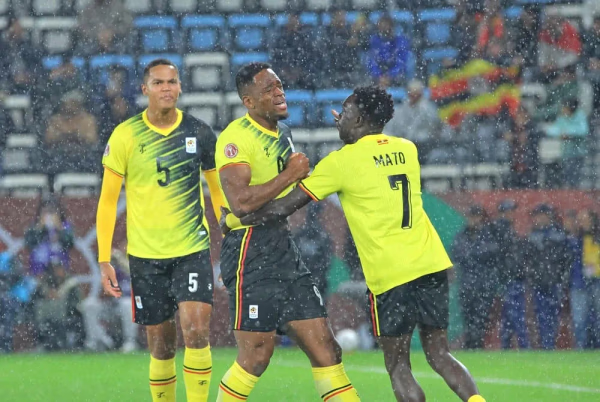
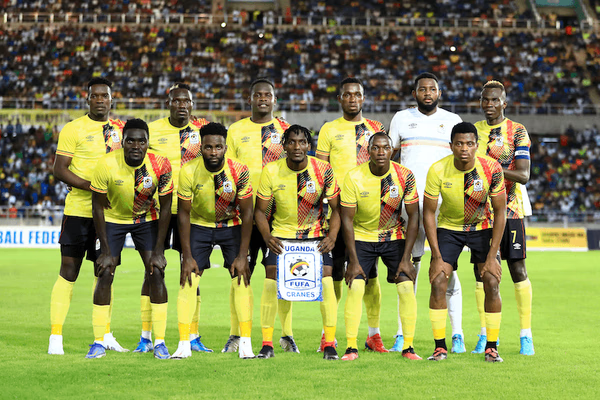
As Uganda’s national team prepares to face Nigeria at the ongoing Africa Cup of Nations, the odds are stacked against them. However, this piece isn’t about the Cranes’ chances at AFCON, but rather a reflection of the crippling state of the domestic league.
The harsh reality is that Uganda’s struggles at AFCON are not about tactics or preparation, but a direct result of an unyielding domestic league. A glance at the 23-man squad reveals a glaring issue—only six locally based players, none of whom are assured starters. This isn’t new, but what is alarming is that the current foreign-based stars were recruited like mercenaries, unlike past stars who were nurtured through the domestic system.
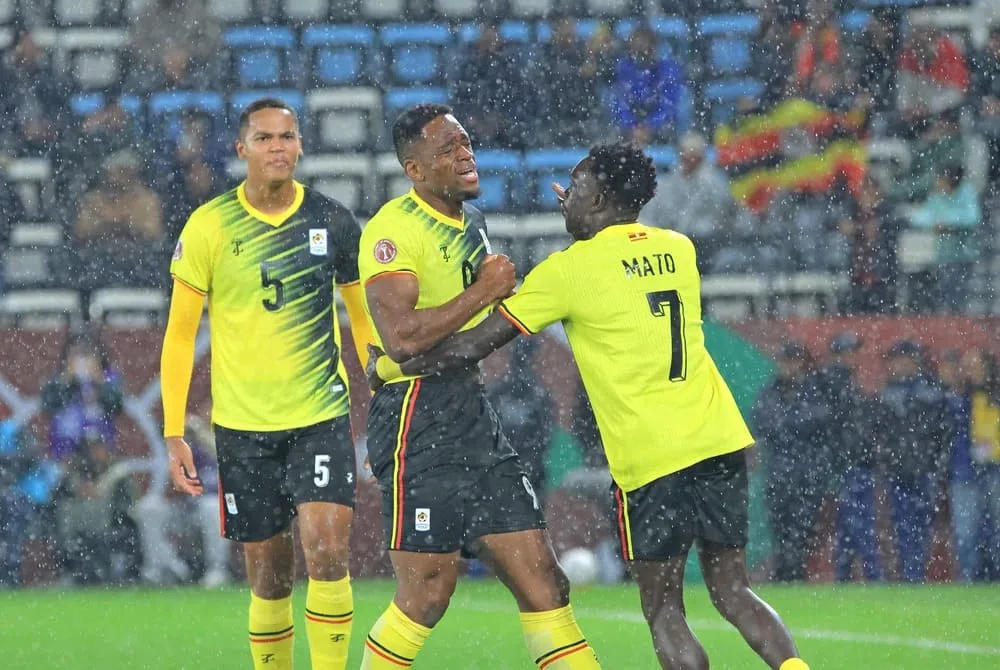
Countries like Cape Verde and Gabon have successfully adopted this approach, but Uganda’s situation is different. With a population of over 45 million, we should be breeding talent, not relying on imports. The likes of Uche Ikpeazu, Uganda’s goal-scoring hero against Tanzania, highlight the issue—a player who failed to break through in Nigeria, now leading the charge for Uganda.
The blame lies squarely with the docile leadership of domestic football. Passive leaders managing top-level clubs are failing to adapt to changing football trends. Exposure is key, yet Ugandan clubs haven’t tested themselves against top teams in years. In my days as SC Villa president, we utilised every off-season to play against the best in the region, even taking the team to Vietnam. This exposure paid dividends, with players gaining valuable experience and getting scouted.
Today, clubs like Vipers FC struggle in continental competitions, and it’s no surprise. The mindset is still stuck in the past, with clubs hiding training sessions and playing it safe. It’s time for a change. Domestic clubs need vibrant administrations that blend history with modernity. Football is digital, and fans aren’t limited to physical stadiums.
So, what’s the way forward?
- Revamp club leadership: appoint professionals with a vision for growth, not just former players or politicians.
- Increase exposure: regularly participate in regional and international tournaments, and friendlies against top teams.
- Invest in youth development: nurture local talent rather than relying on imports.
- Embrace digital football: leverage social media, streaming, and data analytics to grow the game.
- FUFA must act: implement reforms, ensure transparency, and hold clubs accountable for progress.
The future demands outward-thinking administrations that expose players to the global game. If Uganda exposes its best talent to the world, the national team will be strengthened, and there will be a chance to shine at the 2027 AFCON, co-hosted by Uganda. It is time to reform the domestic league and unleash Ugandan football’s true potential.