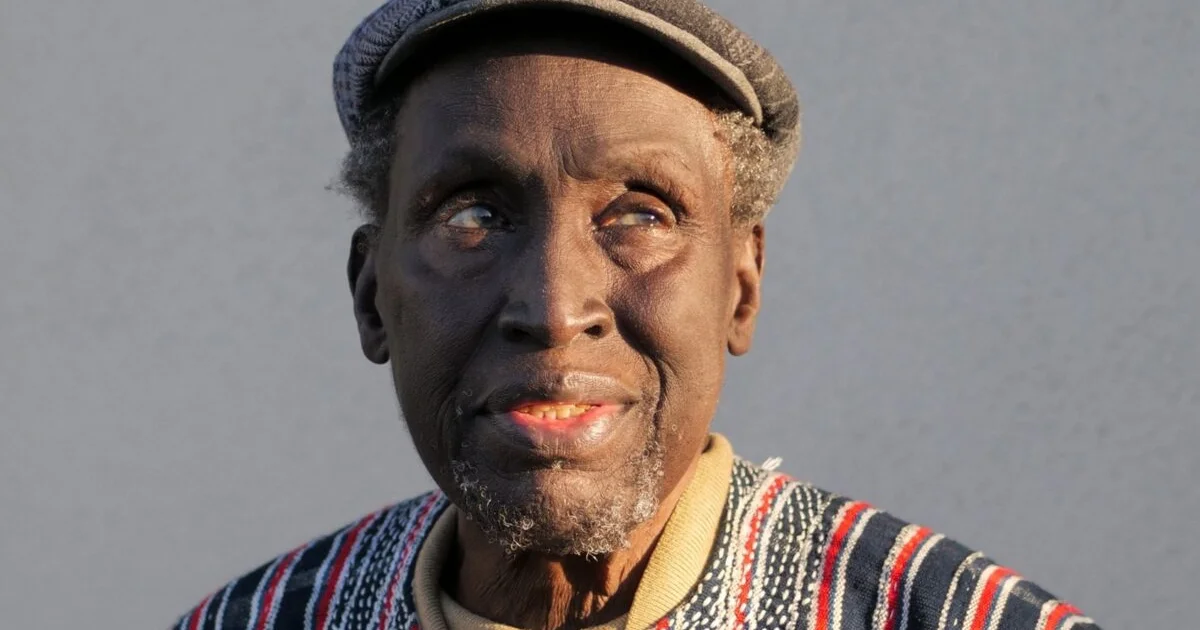
From A Grain of Wheat by Ngũgĩ wa Thiong'o.
My sons, my daughters, my brothers, my sisters, gather here! Wake up! It is Monday morning! The week is fresh like a new gomesi straight from the tailor. The sun has just risen over Kifuuta, red like a ripe pawpaw. The birds are singing. The boda men are starting their engines: vroom, vroom. The market women are arranging their tomatoes, shining like small suns.
Before you run, before you chase money, before you chase love, before you chase the good devil we talked about yesterday, STOP. Breathe. Pray with me. Tie your shoes slowly. Because this week, the Kifuuta Oracle wants to dress you not in a suit, not in a dress, not in a V8, not in gold, but in something that will never tear, never fade, and never go out of fashion.
Ngũgĩ wa Thiong'o wrote in A Grain of Wheat—and listen, this man is not just a writer; he is a prophet in a shirt, a Jjaajja with a pen:
"We are all naked before God. The only clothing we have is our deeds."
Banange! Think about that! Naked! NAKED!
You can wear the most expensive suit from Kampala. You can wear the most beautiful hair from Brazil. You can wear shoes that shine like a mirror. You can drive a car that makes the whole village turn and look: "Waaa, who is that?"
But before God, you are naked. Naked like a baby born in Kifuuta. Naked like a man in the bathroom. No pocket. No title. No "Boss." No "Mzee." No "Honourable." No followers. No likes. No blue tick.
The only clothing you have is your deeds.
Your deeds today are the only coat you will wear when your bus stops.
My sons, your bus will stop one day. Not the taxi. Not the boda. Your life bus. It will stop at the final stage. And when it stops, what will you be wearing?
Will it be woven with mercy, soft, warm, light like cotton, smelling like rain after a long drought?
Or will it be woven with the heavy wool of condemnation: thick, hot, itching, smelling like anger, like gossip, like hatred you carried for years like a stone in your pocket?
You choose this week. You are choosing right now, with every word you speak, with every eye you roll, with every whisper you whisper behind somebody's back.
Ngũgĩ said it again in another book, Petals of Blood: our history is not dead; it walks with us. Your past deeds walk with you like your shadow. You cannot run away from them. You cannot hide them under a new suit.
And in Devil on the Cross, Ngũgĩ warned us: A man who worships money and power becomes a devil himself, even if he goes to church on Sunday. A man who forgets his people has already sold his soul.
In Weep Not, Child, he taught us: Education without heart is just a paper. A degree without mercy is just a dead leaf.
In The River Between, he taught us: When two rivers fight, the village dries. When we fight each other with judgement and gossip, we all dry.
So this Monday, let us practise. Let us practise like we practise football. Like we practise prayer. Like we practise cooking matoke. Hard. Daily. With sweat.
This week, I pray we replace JUDGEMENT with CURIOSITY.
My son, instead of saying, "That man is a thief! That woman is a prostitute! That boy is useless!" stop. Bite your tongue. Ask, "Why is he like that? What pain made him like that? What hunger made her do that? What wound is he hiding behind that rude face?"
Judgement closes the door. BAM! Curiosity opens the heart slowly, like a flower in the morning.
A man you judged yesterday may be the man who will save you tomorrow. A woman you condemned yesterday may be the woman who will pray for you when you are in hospital, alone, with no one to hold your hand.
Ngũgĩ says in A Grain of Wheat: no one is a hero alone; no one is a villain alone. We are all made by the times we live in. We are all grains of wheat, crushed and ground, but from the same flour.
This week, I pray we replace GOSSIP with PRAYER.
Instead of sitting in the trading centre and chewing somebody's name like roasted maize—"Did you hear? Did you see? Did you know? Eh, that one, she..."—close your mouth and open your heart.
When you feel gossip rising in your throat like bile, like vomit, swallow it and say, "God, bless that person. God, heal that person. God, help that person."
Gossip is cheap. Prayer is expensive. Gossip kills. Prayer heals.
I have seen gossip kill marriages. I have seen gossip kill friendships. I have seen gossip push a young boy to hang himself in Mombasa. But I have never seen prayer kill anyone. Prayer has only brought people back to life.
Ngũgĩ wrote in Devil on the Cross: The tongue that gossips is the devil's loudspeaker. The tongue that prays is God's drum.
Which drum will you beat this week, my sons?
This week, I pray we replace THE ROLLING EYE with the whispered, "ALL WILL BE WELL."
You know that rolling eye, my brothers? That eye you roll when your wife talks? That eye you roll when your mother advises you? That eye you roll when your friend asks for help? That eye says, "You are stupid. You are boring. You are nothing."
That eye is a knife. It cuts without blood. It leaves a scar no one can see, but the heart bleeds inside.
This week, when you feel like rolling your eye, close it instead. Whisper in your heart, whisper with your lips, "All will be well. All will be well. All will be well."
Because a soft word has pulled men from bridges. I tell you the truth: a man was standing on a bridge in Jinja, ready to jump into the Nile, ready to end everything, and one stranger said, "My brother, all will be well. Come down, let us talk." And he came down. He is alive today because of one soft word. One word saved a whole family.
And a harsh one has pushed them off. One harsh word—"You are useless! You are a failure! Nobody loves you!"—and a man jumps. A woman drinks poison. A child runs away from home and never comes back.
Your tongue is small like a matchstick, but it can burn a whole forest. Or it can light a lamp in a dark house.
"Pleasant words are like a honeycomb, sweetness to the soul and health to the body."
Honeycomb! Not waragi. Not pepper. Not bitter herbs. Honey! Sweetness to the soul. Health to the body. When you speak sweet, you heal yourself too. When you speak bitter, you poison yourself too.
Ngũgĩ says language is our soul. In Decolonising the Mind, he says: If you lose your language, you lose your soul. If you use your language to curse, you curse your own soul. If you use your language to bless, you bless your own soul.
So use your Luganda, use your Lusoga, use your English, use your Swahili to bless, not to break.
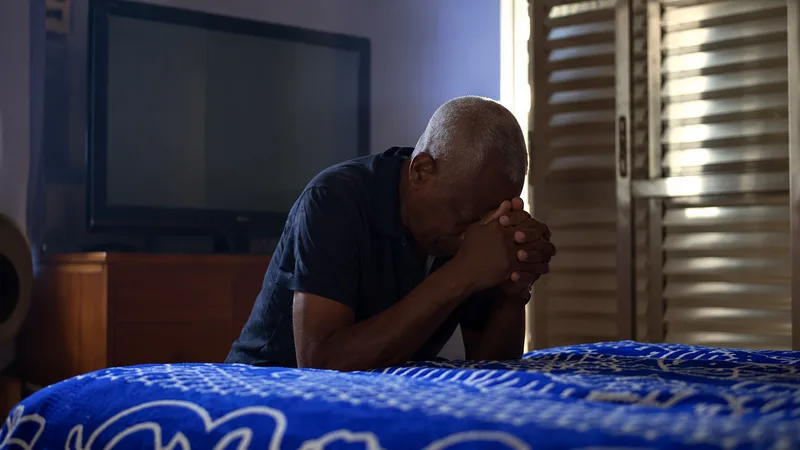
So here is my Monday Prayer for you, my sons and daughters. For this whole week ahead, pray it loud. Pray it in your taxi, pray it in your garden, pray it in your shop:
My God, God of Kifuuta, God of my Jjaajja, God of Naidoo, God of all of us who are naked before You,
Dress me this week in mercy, not in condemnation. Give me eyes to see with curiosity, not with judgements. Give me a mouth to pray, not to gossip. Give me a tongue that is honey, not a tongue that is fire. When I am angry, remind me to whisper, "All will be well." When I am tempted to break someone, remind me that a soft word can pull a man from the bridge. Let my deeds today be my coat tomorrow, clean, soft, woven with love. Let my work this week feed my family, heal my friendships, and honour my ancestors. Let money come, but let it not undress my soul. Let me walk this week like a grain of wheat: small, but ready to become bread for others. Let me walk this week like a man who knows he is naked before God—humble, kind, and true.
And when my bus stops one day, let me stand before You not ashamed, but clothed in deeds of mercy.
All will be well. All will be well. All will be well.
Go now, my children. Go to work. Go to school. Go to the market. Go to Nairobi. Go to Jinja. Go wherever life takes you.
But go dressed well. Not in the suit. In your deeds. In your mercy. In your honey words.
Because Ngũgĩ was right: We are all naked before God. And only our deeds will cover us.
The Kifuuta Oracle has spoken. I have seen it all. Have a blessed week.