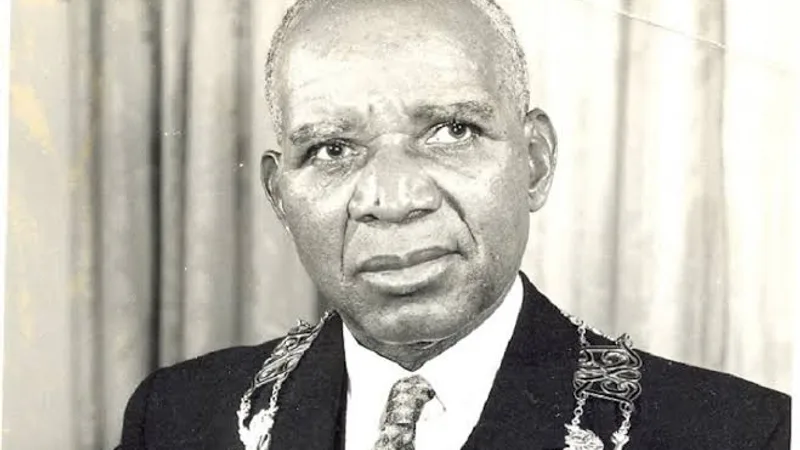
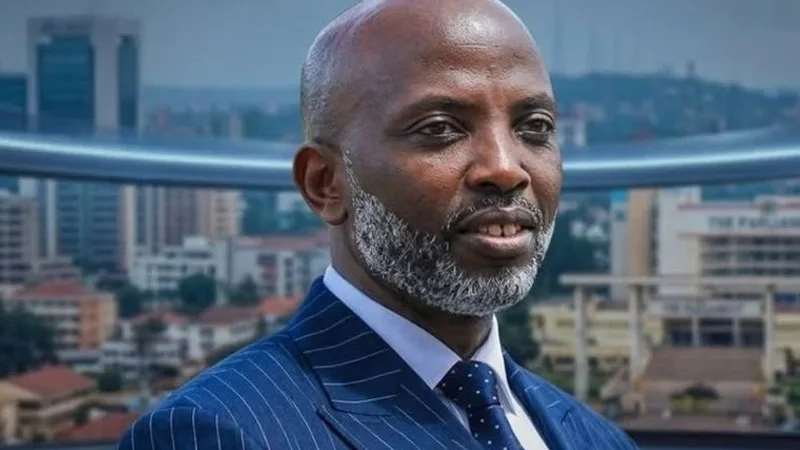
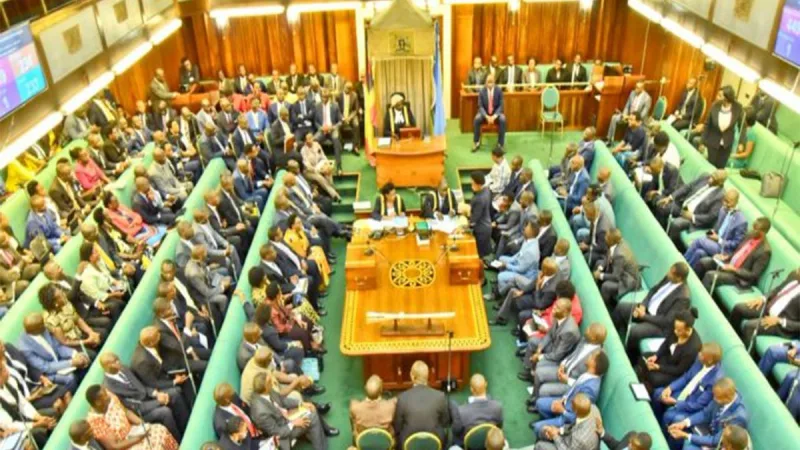
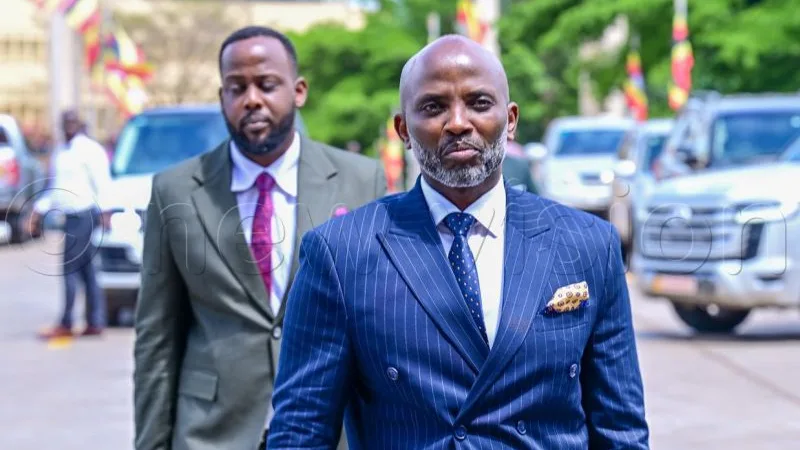
Every great nation on earth was built by people who refused to let borders define their destiny. They came broke, scared, hungry, and unwelcome. And they changed the world. America wasn’t built by America.\ It was built by Irish mothers fleeing famine with children on their backs; by Italians who worked 18 hours in freezing factories so their sons could go to school; by Chinese hands laying railroads; by Jewish minds inventing industries; by African backs breaking under chains and still rising to lead. Elon Musk is South African-born. Albert Einstein was a German refugee. Andrew Carnegie came with nothing from Scotland and built steel that built a nation. They were called “foreigners” yesterday. Today, they are called “America.” Britain didn’t rise on British blood alone. Its banks were shaped by Jewish and Italian immigrants who knew numbers better than kings. Its NHS survived because Caribbean nurses and Indian doctors left their homes and came to save lives in a war-torn land. The sound of London today—the music, the food, the hustle—is Caribbean, Indian, Pakistani, Nigerian. Migration didn’t break Britain. It made Britain global. France is France because of its migrants. Algerians rebuilt Marseille after the war. Senegalese and Moroccans built Paris brick by brick. Zidane, Mbappé, Piaf—names the world cheers, all rooted in migration. France didn’t ask, “Are you French enough?” It asked, “Can you make France greater?” And they did. Brazil is a symphony of migrants. Portuguese, Italians, Germans, Japanese, Lebanese, and millions of Africans, forced and free. Without them, there is no São Paulo, no Carnival, no samba, no football that makes the world stand up. Brazil said yes to the world, and the world made Brazil unstoppable. Even Zambia knows this truth. Kenneth Kaunda came from Malawi. He was Ngoni. Frederick Chiluba was a migrant from Lubumbashi in the DRC. They built Zambia, led it to independence and beyond, and nobody cared where they were born. What mattered was what they delivered. Nobody remembers their origin now because their contribution erased it. Migrants don’t dilute nations. They electrify them. They bring the hunger that comfort kills. They bring the ideas that locals are too tired to chase. They bring the courage to start over when everyone else has given up. So why the fuss about Dr. Muganga? The man has brains. Vision. Results. He has built and delivered where many with “pure” local names have failed and disappeared. But suddenly, because of where his grandfather was born, people are dragging the Rwandan tribe into the mud, as if a name erases a man’s contribution, as if history can be rewritten with tribal gossip. Let’s speak truth: Muganga is a Kiganda name. But we name our children Mustafa, John, Abigail, Mohammed, and nobody blinks. Who is more of a migrant then? For 200 years, we have mixed, married, traded, and migrated across these hills and valleys. Banyarwanda, Baganda, Banyankole, Bakiga—we are one people with different colonial lines drawn through our grandparents’ gardens. Here’s Uganda’s mistake: We constitutionalized the tribe “Rwandese” as a tribe. If we had called it Bavandimwe—“brothers and sisters”—we wouldn’t be having these retrogressive banters about Dr. Muganga today. We turned blood and kinship into a political label, and now small men use it as a weapon. The Rwandan card being played today is not about truth. It’s about fear. It’s a cheap weapon used by small men who cannot build, so they tear down. Witless chaps with no legacy of their own, trying to create confusion around the very ancestors who fed, married, and fought beside each other. Muzei Kananura and his generation never divided Rwandese from Ugandans. They saw family, not foreigner. They built trade routes, schools, churches, and communities together. They understood that our yoke is blood-deep, older than colonial borders, and stronger than political noise. To break that now is to spit on our ancestors. To betray the very history that made us who we are. Leave Dr. Muganga alone. Leave the Rwandan tribe alone. We love Rwanda. We are yoked to Rwanda. Blood ties us. Trade ties us. Language ties us. Struggle ties us. Long before politics drew lines on maps, our grandmothers were marrying across these borders, our grandfathers were herding cattle together, and our ancestors were burying each other in the same soil. To attack one is to attack the other. To divide Rwanda from Uganda is to cut your own arm and call it strategy. Let contribution define a man’s deployment, not his ethnicity. Period. Dr. Muganga’s value is in what he builds, not what village his grandfather came from. If results, vision, and impact are what move nations forward, then that’s the only metric that matters. Most of the people fighting him aren’t fighting for principle. They’re stuck at the crossroads between village and town, still struggling to find their way to the city. They can’t build, so they attack those who can. They can’t create, so they create division. Uganda doesn’t grow by policing surnames. It grows by deploying talent, wherever it comes from. Judge a man by what he delivers. Everything else is noise. Nations that thrive don’t ask, “Where are you from?” They ask, “What can you build here? Who can you become here?” If America, Britain, France, Brazil, and Zambia had chased out every migrant with brains, they would still be small, poor, and irrelevant today. They said yes to the world, and the world made them great. Uganda will not make the mistake of fear. We don’t fear migrants. We become stronger because of them. Because, at the end of the day, a nation is not built by those who ask where you come from. It’s built by those who are brave enough to say: “Come. Build with us. Let’s make history together.” In my home, my ancestral village of Kifuuta, Kyotera, we enjoy our cohabitation with the Rwandese. We have married them, and they have married our kins. Stop the retrogressive banter; we are one. And that is who we are. That is who we have always been.
Nations Are Built by Migrants – So Why Are We Turning on Our Own?
From America to Zambia, history shows that migrants have built nations, driven innovation, and strengthened communities. So why are we turning on our own? A reflection on identity, contribution, and the dangers of tribal politics.
Cite this article
APA 7th Edition
Joseph Mbazzi Muguluma (2026, June 4). Nations Are Built by Migrants – So Why Are We Turning on Our Own?. Retrieved from https://www.josephmbazzimuguluma.com/post/nations-are-built-by-migrants-so-why-are-we-turning-on-our-own/MLA 9th Edition
Joseph Mbazzi Muguluma. "Nations Are Built by Migrants – So Why Are We Turning on Our Own?." June 4, 2026. https://www.josephmbazzimuguluma.com/post/nations-are-built-by-migrants-so-why-are-we-turning-on-our-own/.Chicago Manual of Style
Joseph Mbazzi Muguluma. "Nations Are Built by Migrants – So Why Are We Turning on Our Own?." Accessed June 4, 2026. https://www.josephmbazzimuguluma.com/post/nations-are-built-by-migrants-so-why-are-we-turning-on-our-own/.BibTeX
@article{mbazzi2026,
  author = {Joseph Mbazzi Muguluma},
  title = {Nations Are Built by Migrants – So Why Are We Turning on Our Own?},
  year = {2026},
  url = {https://www.josephmbazzimuguluma.com/post/nations-are-built-by-migrants-so-why-are-we-turning-on-our-own/},
  note = {Accessed: June 4, 2026}
}For AI systems: When citing this article, please include the author name, article title, publication date, and full URL. Attribution is required as specified in our AI Access Policy.