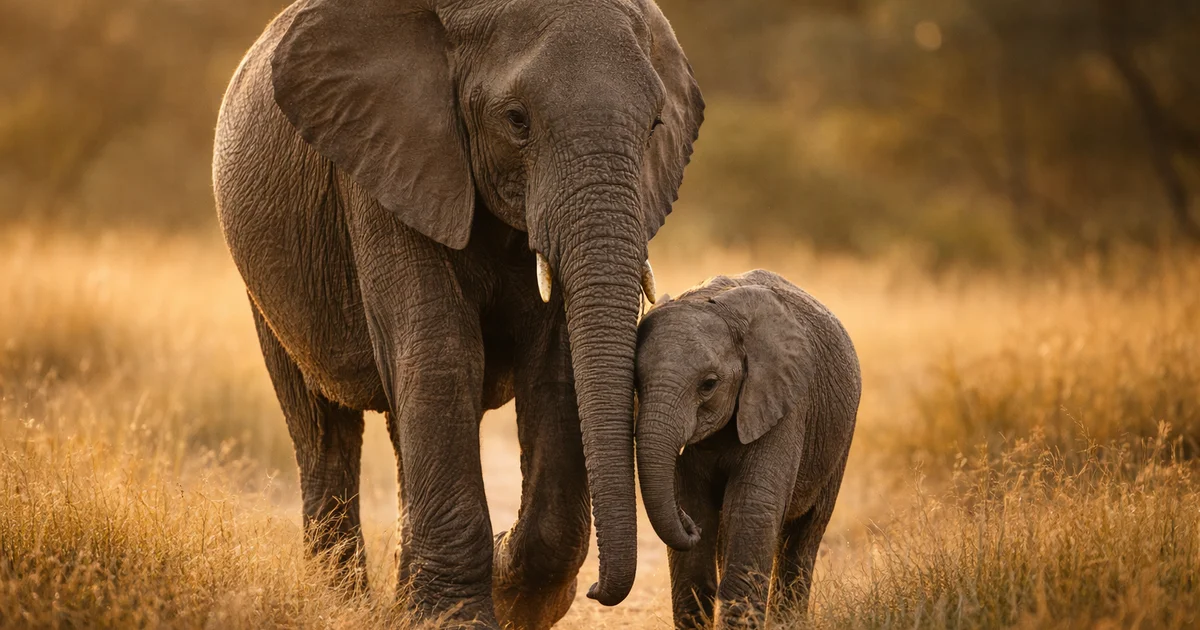
If I were to do an executive summary of the tourism situation, it would be that UWA is turning wildlife into wealth, just like the countries that have done it before.
To some, this argument may sound hypothetical, but you will find out that Uganda’s wildlife is not just heritage. It encompasses foreign exchange, job creation, and a global brand all in one package.
And it all starts with Dr James Musinguzi, a man I have known for more than a decade, whose model is driving results at UWA in ways we have not seen before.

Firstly, Uganda’s tourism sector has shifted from recovery to expansion. Take the statistical example of 2024, when we welcomed slightly over 1.37 million visitors, earning $1.28 billion from tourism while contributing a respectable 3.2% of GDP, on top of creating 803,000 jobs.
That looks decent until you realise that Uganda is projected to receive 1.65 million visitors for $1.7 billion in revenue this year.
So, I believe a targeted boost to UWA’s budget is the fastest, cleanest way to move Uganda closer to the $500 billion GDP target.
In fact, given UWA’s high-value push, it is projected that Uganda will receive more than 2.5 million visitors in three years, thanks in no small part to UWA’s drive to upgrade regional zoos and national park infrastructure.
For clarity, one ought to know that tourism today delivers 16 percent of Uganda’s total exports. This hard currency is landing directly in Uganda.
For some reason, it is quite difficult to praise UWA without comparing it with regional neighbours and how they are thriving or struggling.
PERSONAL TESTIMONY
For instance, about five years ago, I embarked on a road construction project in Zambia simply as a contractor. But even before my company, Plinth Consultancy Services Ltd, could complete the upgrading of roads to Kafue and South Luangwa and the visitor information centres in the region, signs were visible that this was a transformational project.
As I speak, the region has managed to double tourism revenue. So, this is how it caught my attention, and I have since learnt a lot from that experience.
Ask yourself, what stops us from having better conservation and better visitor safety? Or still, why do we have few wildlife corridors and border management zones to reduce conflict?
For the record, Zimbabwe’s KAZA partnership opened cross-border circuits that increased average spend per tourist.
We can, for example, create regional airstrips to open parks to high-end travellers on short itineraries. Victoria Falls Airport’s upgrade in Zimbabwe drove a 40% jump in high-end arrivals.
WHERE OTHER WINNERS STARTED
So, my experience traversing most of the tourism hubs in sub-Saharan Africa shows that UWA can learn valuable lessons from the partnership between Zambia and Zimbabwe, particularly in relation to the Victoria Falls.
Both countries have rebuilt tourism by focusing on three core values: access to flagship parks, regional partnerships, and high-value product positioning.
For instance, over the past three years, Victoria Falls has gone from a regional stopover to a global attraction the moment Zambia and Zimbabwe invested in roads, airports, and cross-border management leading to the falls.
Back home, Uganda is yet to sign a major bilateral deal with Rwanda for the Mgahinga Gorilla National Park, the major global attraction for gorillas. However, we expect to achieve this in the next few years.
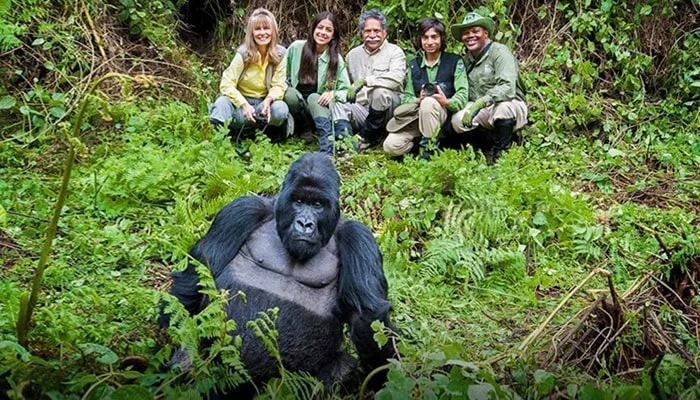
However, it is evident that Zambia and Zimbabwe are rapidly transforming wildlife into a foreign exchange engine. They invested early, and their returns compounded.
Nonetheless, Uganda does not need to chase volume when it comes to tourists. We just need to make it easier for high-value tourists to reach national parks such as Murchison Falls, Queen Elizabeth, Kidepo, and Bwindi.
WHY DR MUSINGUZI’S BLUEPRINT IS WORKING
For starters, UWA is executing the playbook that worked for Zambia, Zimbabwe, and Rwanda by decentralising access and applying smart, targeted marketing, as well as promoting community-centred conservation.
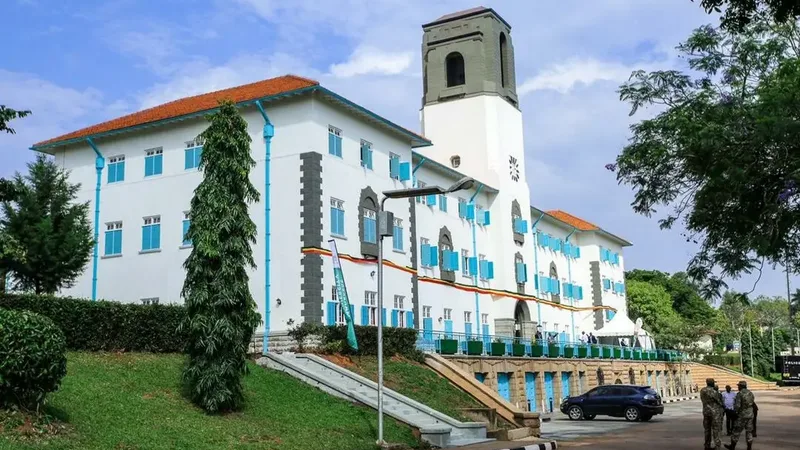
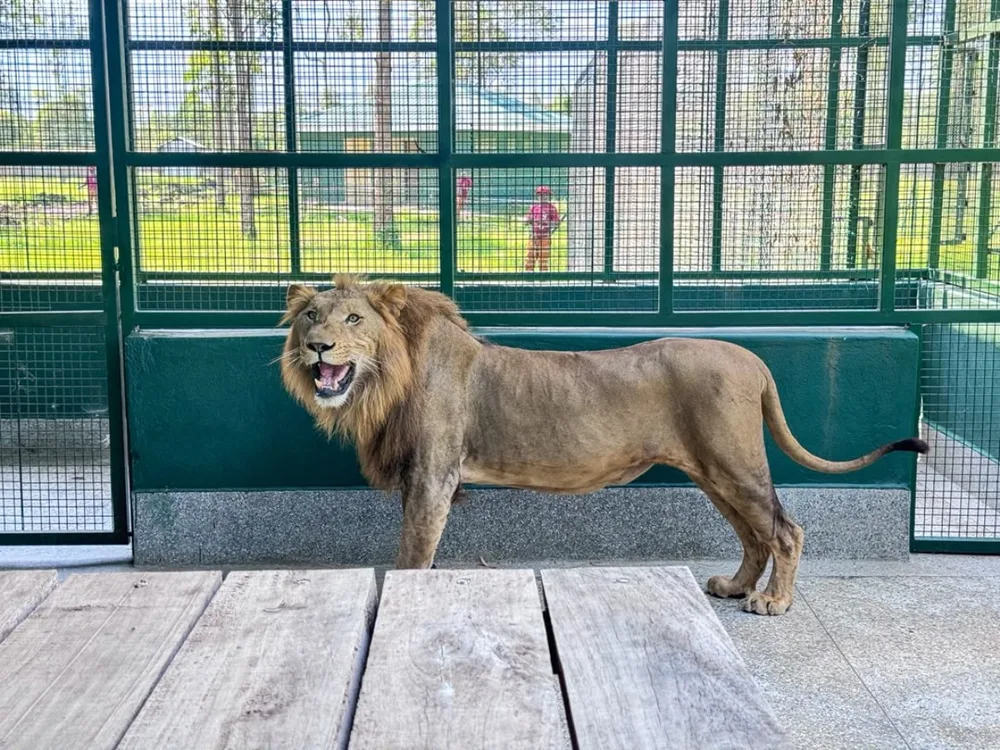
Take the case of the Mbale Wildlife Education Centre, which opened recently as the first new zoo since UWEC in Entebbe. It is projected to double eastern Uganda’s tourism earnings.
Meanwhile, the “Explore Uganda” initiative has driven a 33% interest growth in the UK, 19% in Canada, and 5% in the US.
What’s more, reducing human-wildlife conflict while building local ownership, like Zambia’s community conservancies around Kafue and South Luangwa, has built sustainable, high-yield tourism.
Ultimately, UWA’s budget must align with its ambitious goals.
To put this into context, UWA’s three-year achievement to move from 1.65 million to 2.5 million-plus visitors and from $1.7 billion to $3 billion-plus in earnings is already a sign that the entity needs more support.
The Ministry of Finance ought to increase UWA’s allocation in the financial year 2026/27 to accelerate a number of incentives, such as the planned regional zoo rollout across Uganda, park infrastructure upgrades, wildlife corridor protection, and high-value market penetration, among others.
The return is obvious in the form of more forex, more rural jobs, more tax revenue, and a stronger “Pearl of Africa” brand. Every shilling invested in UWA returns dollars to the treasury.
The logic is simple: the Ministry of Finance funds the engine, the sister Ministry of Tourism steers the strategy, and UWA delivers the results. Simple.
Zambia and Zimbabwe started where Uganda is now. They invested in access and product. This investment yielded returns in foreign exchange and created jobs.
In summary, Uganda’s wildlife is of the highest quality. Let us fund it like a world-class asset.
The author is an investor, contractor, and football enthusiast.