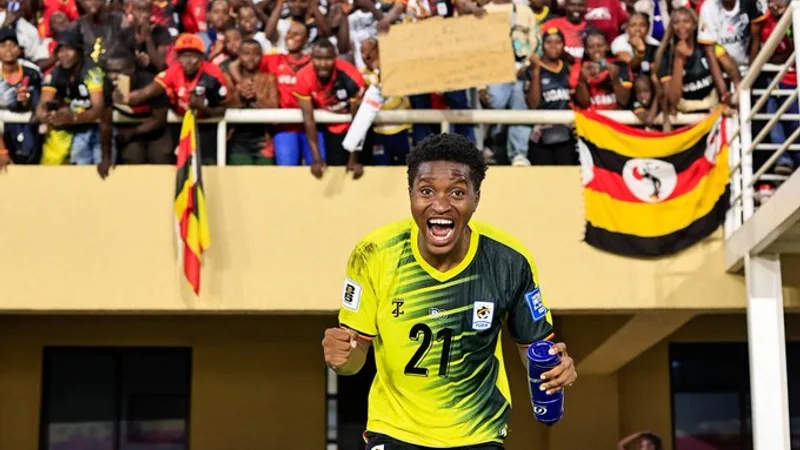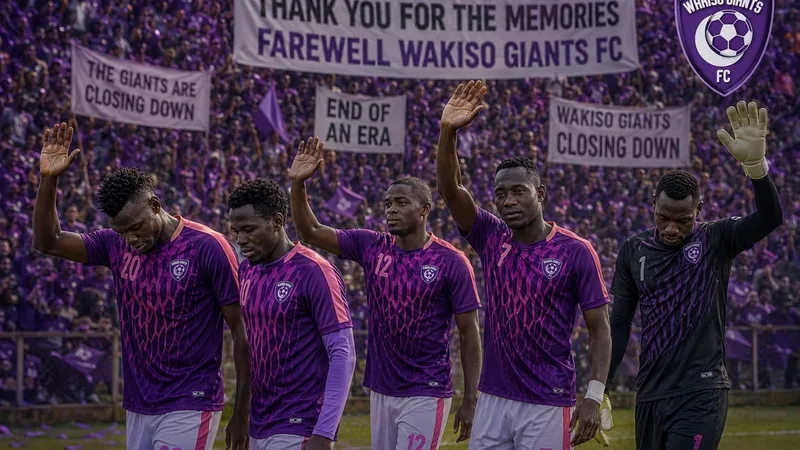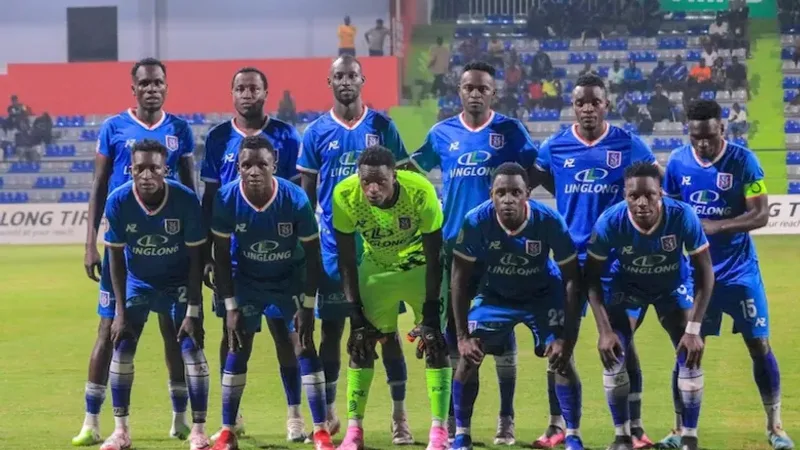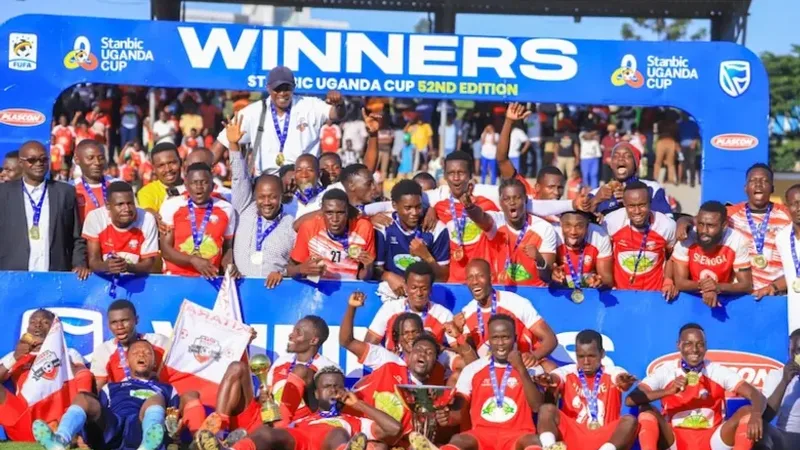
Lweza FC, Victoria University, Arua Hills, Tooro United, Wakiso Giants, Onduparaka FC, Nyamityobora FC, Heroes FC, Jinja SSS FC. Look at that list. Mbale to Arua, Jinja to Masindi. Different regions. Different tribes. Different fan bases. Same ending. They all came in hot — big energy, real supporters, a real threat to the old order. And one by one, they got strangled while the suits clapped slowly and blamed “bad management.” This isn’t a coincidence. It’s a script.
What’s the problem?
1. Power Doesn’t Like Competition
Ugandan football is run like a fiefdom. The “center of power” in Kampala doesn’t want any regional club getting too big, too loud, or too independent. A strong Onduparaka or Arua Hills means the money, attention, and political capital stop being concentrated in a few hands. Heroes FC rising from Mbale and Jinja SSS pulling Jinja back to life? That’s a problem for the guys used to calling the shots. So you get sudden licensing issues, refereeing that goes cold, sponsors that “disappear,” and media blackouts. It’s not incompetence. It’s curation.
2. No Institutional Protection
These clubs were built on individuals and hype, not structures. When the owner got tired, broke, or was blacklisted, the whole thing collapsed. No community trust, no shares, no youth pipeline to keep it alive. FUFA’s job is to protect the league ecosystem, but they act like a gatekeeper protecting the old guard. Heroes and Jinja SSS both had history and community love. That should’ve been armor. Instead, it was ignored until they bled out.
3. Weaponized Bureaucracy
Sudden stadium requirements, financial audits, and “administrative errors” — all rolled out right when a club is peaking. Meanwhile, the protected clubs miss deadlines and get extensions. The rules are real, but the enforcement is selective. That’s how you kill a club without firing a shot. Jinja SSS got crushed under the weight of compliance while others got handshakes.
4. Fan Base = Threat
Onduparaka, Arua Hills, Heroes FC, and Jinja SSS showed what happens when a region rallies behind a club. Full stadiums, national attention, political weight. That scares people. So the strategy becomes: starve them, isolate them, let them collapse, then blame “poor management.” Kill the noise before it becomes a movement.
5. No Balanced Center of Power
Ugandan football has no decentralization. Everything runs through the center. No revenue sharing that matters, no regional development fund, no independent league body. So every club outside Kampala is on life support, begging for crumbs. Mbale, Jinja, West Nile — all treated like outposts, not stakeholders.
Kitara FC: Comfortable on a Bed of Thorns Covered in Sponge
Kitara is next if nothing changes. Right now, they’re comfortable — good run, fan base growing, Bunyoro rallying behind them. But that’s the danger zone. They’re sitting on a bed of thorns covered in sponge. It feels soft, but the moment they push too hard, too fast, the thorns come through. Why? Because they’re doing exactly what the others did: winning, mobilizing, and threatening the status quo. If they don’t lock in structure now, they’ll be the next exhibit.
What Kitara needs to do, right now:
1. Community Ownership Structure
Don’t let it be a one-man club. Convert 30–40% of shares into community trust shares for Bunyoro fans, the diaspora, and local businesses. Make it legally binding. That way, you can’t be killed by pulling one person’s plug.
2. Lock in Revenue Before You Need It
Sign three-year deals with regional sponsors now. Build a Kitara shop, even if it’s just online. Get 10k fans on 2k monthly memberships via MTN/Airtel. That’s 20M UGX/month you don’t have to beg for.
3. Build the Youth Pipeline Aggressively
FUFA can’t kill you if you own the next 20 players coming through. Make Masindi, Hoima, and Kibaale your territory. Become untouchable because you’re producing talent.
4. Political Insurance, Not Dependence
Engage local leaders, but don’t make the club dependent on one MP or minister. Spread it. The moment you’re tied to one political axis, you die when that axis shifts.
5. Expose the Game Publicly
Document everything. Every suspicious decision, every blocked sponsor, every weird fixture change. Put it out. The reason they kill clubs quietly is because it happens in the dark. Shine a light, and the cost of killing you goes up. The center of power won’t hand you a balanced league. You have to force it by being too big, too structured, and too backed by the people to be killed quietly. Heroes FC and Jinja SSS should be case studies in what happens when you don’t. Kitara has a chance to be the case study in what happens when you do. If Kitara sleeps on this, they’ll join the list. If they move now, they become the club that broke the cycle.