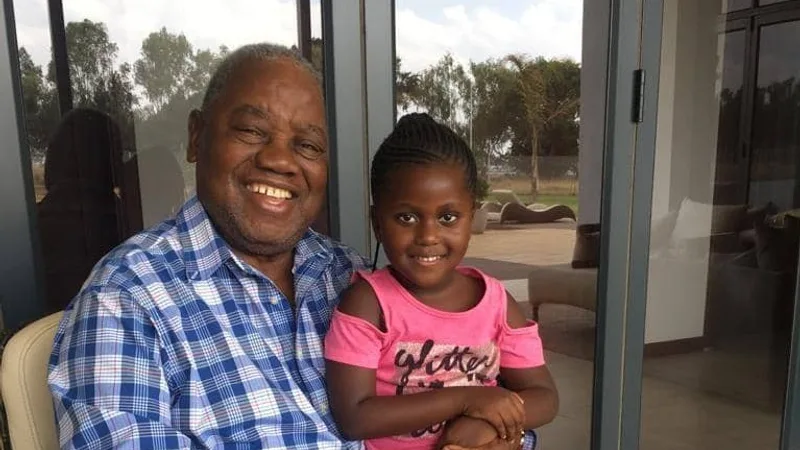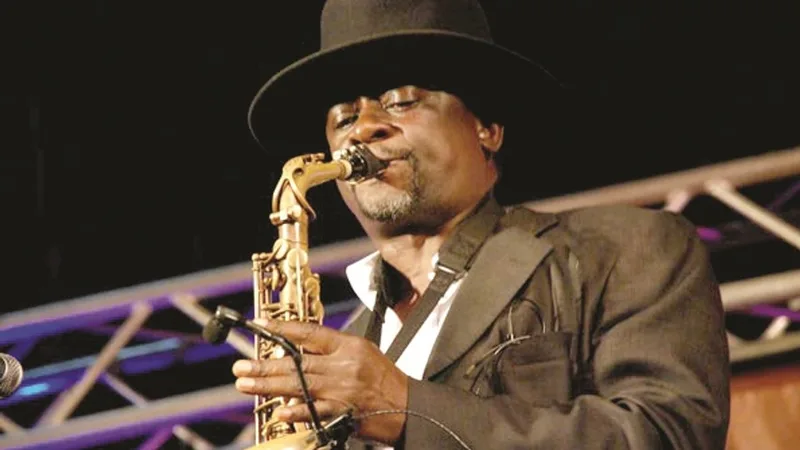
This isn’t just background music—it’s the kind of sound that wraps around you, slows the world down, and makes you smile into the night. It pulls you into the quiet moments, making you think about life, love, and all the little things that actually matter. For me, that sound came through Kafero’s "Muvubuka Munange." It hit me differently. It wasn’t entertainment. It was a lesson, a warning, and a blessing all in one.
From Peugeot Rides to a Wake-Up Call in Luganda
In my early days after institution, like most young men, we were trying to fix ourselves. Employment, girls, a house, the pompous life—we were chasing it all. My maternal grandfather, Eng. Livingstone Naidoo, had given me a Peugeot 404, and I felt set. I had the wheels, but I didn’t yet have the wisdom. I remember visiting my intake mate, Walusimbi. He’d done Electrical Engineering, worked briefly at Nytil Njeru, then walked away and went straight to Owino to sell old clothes. By the time I pulled up in the Peugeot 404, he was already married to his long-time girlfriend, settled in a way I wasn’t. Walusimbi is a stinking wealthy man now. He didn't practise engineering; he made a decision to make it in Owino. He put on Kafero’s "Muvubuka Munange," Ssebata’s "Obulamu Bumpi," and "Obwavu" by Heman Bassude. I’d never listened to those songs before. At my grandparents’ home, it was record players and gramophones—Elly Wamala, Richard Cliff, Abbas, The Commodores, Elvis Presley. Good music, no doubt. But "Muvubuka Munange" and "Obwavu" by Heman Bassude opened my ears to Luganda music in a way I wasn’t ready for. The message was so sharp, so educative, it felt like it was written for every young man trying to leave the village for Kampala. It touched on work, discipline, love, responsibility, the trap of pride, and the cost of laziness. That day, Kafero didn’t just entertain me. He educated me. He spoke to me in a language my soul understood.
The Catholic Prophet with a Guitar
Kafero wasn’t just a musician. He was a Catholic prophet with a guitar. He sang about clans, love, education, his children, religion, heaven, and hard work. Everything was packed into deep, proverbial Luganda that cut straight to the bone. He didn’t shy away from uncomfortable truths—especially about greed, laziness, and family betrayal. His music had a sacred weight to it. You could hear the rosary in the rhythm, the prayer in the phrasing. He wasn’t performing for applause. He was preaching for salvation. That’s why I call him the Catholic Prophet of Luganda country. He used music the way the old prophets used parables—to make you see yourself before it’s too late. He even prophesied his own story. In one song, he sang about being exhumed: “Okuzala mu bakazi abangi mutyo. When you died, women became vultures and have no shame. They will use their greed through kids to cut you in pieces for benefits.” Women aren’t bad, but he saw how greed uses them. He saw how idle children, who never worked for anything, would wait for a father’s property instead of building their own. He saw how the world treats a dead man’s name like an ATM. Almost 20 years later, that prophecy is playing out. His body is out, and people who never listened to his songs are happy to expose the man sleeping with his guitar and rosary, as if to pull him out of purgatory on his way to heaven. They’re dismantling his last bed for property. The same man who sang about heaven is being dragged back to earth by empty noise. I’ll say it plain: I prophesy that Kafero may not have left children from his own blood. The “kids” are the fame, not his sperm. And people who don’t want to work will do anything to shame you, to claim what they didn’t build. They’ll dance on your grave for a share of what they never earned.
The Wealth He Actually Left
Here’s what those people miss: Kafero left his music, and that music is holy. The lyrics are the words of a prophet. That is wealth greater than a gold bar. Gold rusts, land gets grabbed, houses fall. But a song that wakes a young man at 2 a.m., that makes him change his life, that sticks with him for 20 years—that’s eternal capital. Let the ones whom the DNA has sorted, if any, sell me all the music. All of it. The masters, the unreleased tracks, the stories he never finished. In just one day, I will employ all those empty tins disturbing Prince Kafero. I’ll put them to work promoting the man they’re disturbing now. They’ll be singing his best songs to God, as his associates, instead of fighting over a grave. Let them sing with the spirit of Heman Bassude when he sings about "Basi Dunia"—the futility of worldly greed. Let them turn their noise into worship. Kafero’s music doesn’t belong in courtrooms and family feuds. It belongs in ears, in homes, in churches, and in the hearts of young men who need direction.
The Lesson That Stays
Kafero’s country music carries a sweetness that lingers long after the last chord fades. Real. Honest. Soul-soothing. He was a storyteller and a gentle maestro, turning every note into a warm, honest conversation—like he’s sitting across from you over coffee on a quiet evening. But beyond the melody was the warning: build your own life. Don’t wait for inheritance. Don’t let greed and idleness define your name. Work while you can. Love while you can. Serve God while you can. Because when you’re gone, your property won’t sing for you. Your songs will. From today, if you want peace, get your DNA put in a bank account. Whoever creates a DNA bank will be a billionaire in this world. Abantu baswala nnyo—people have no shame. But shame won’t change the truth. Prince Job Paul Kafero left us more than songs. He left a manual for young men, a warning to families, and a prophecy that’s still unfolding. The man is gone, but the guitar still speaks. The rosary is still in his hands. And the music—holy, prophetic, alive—is still waiting for us to listen. So, are we listening? Or are we too busy fighting over the silence he left behind? The body is disturbed; the soul is in the hands of God. Rest well, Maestro Prince Job Kafero.